
.png)

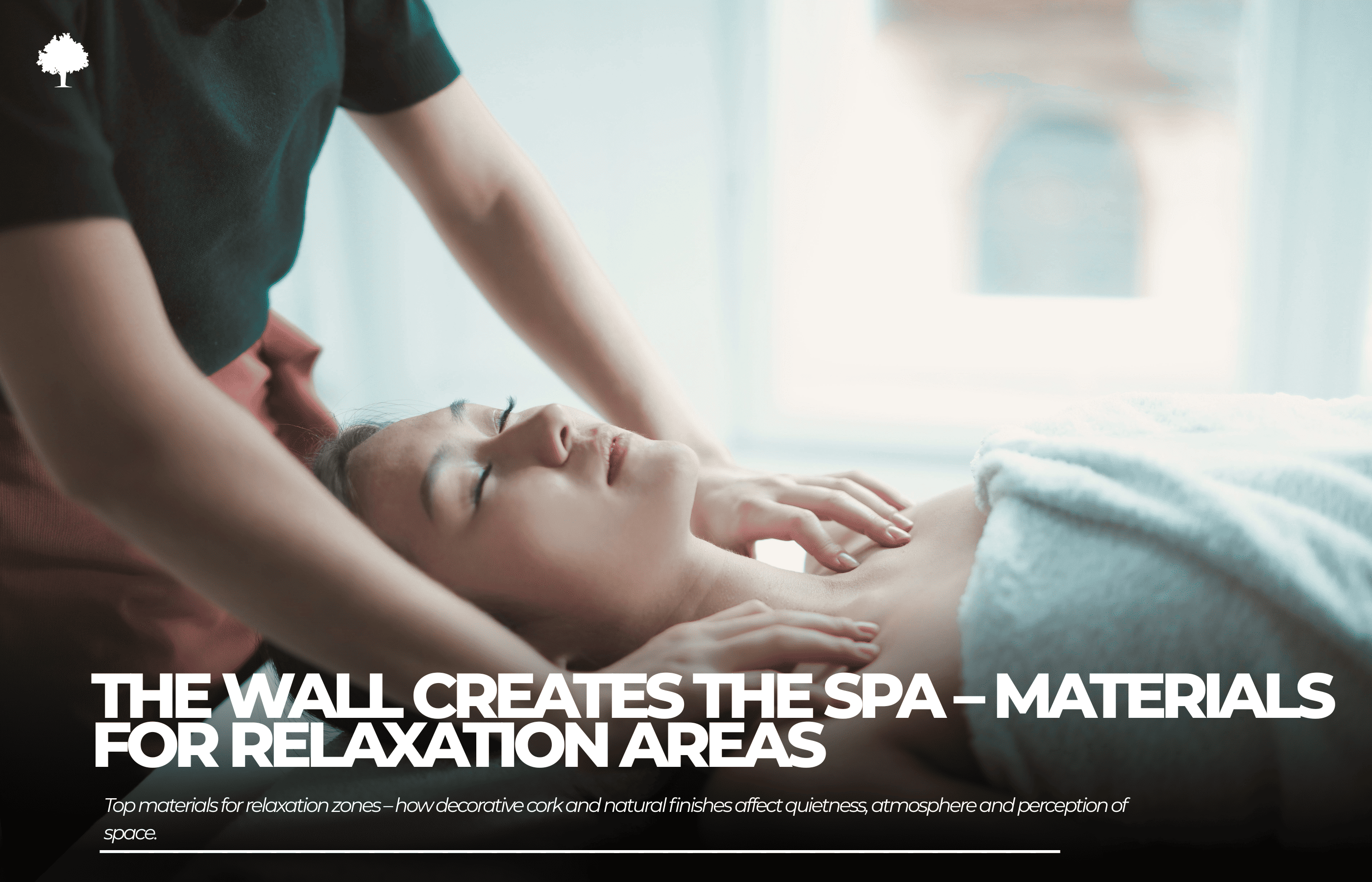
Today’s SPA is far more than a simple set of treatments — it is an intentionally crafted sensory experience, shaped by the space itself. The interior architecture of the relaxation zone plays a decisive role in building mood, tranquillity, and renewal. Despite common assumptions, the essence of the experience does not lie in plush loungers, the murmur of waves, or fragrant essential oils. It all starts with… the wall.
In a relaxation zone, a wall goes beyond its structural function. It becomes a vessel for emotion, a threshold separating the outside world from an inner realm of calm. The materials, textures, and colours chosen for its finish shape the acoustics, influence sensory perception, and ultimately define the guest’s overall impression. In premium SPA environments, nothing is accidental — every detail counts, and the selection of wall finishes forms an integral part of the well-being philosophy.
This article explores the most recommended wall finishes for relaxation zones — solutions that unite visual appeal with practical performance and thoughtful design with genuine user comfort.
Table of Contents
1. Introduction
2. Walls that relax
3. Aesthetics meets functionality – what should a good SPA wall offer?
4. Decorative natural cork – the new favourite of SPA designers
5. Wood: the classic of natural warmth
6. Stone: the power of nature in an elegant form
7. Summary
8. FAQ
Walls that relax
Aesthetics as a tool for relaxation
SPA spaces have evolved beyond being mere venues for treatments. They are intentionally composed environments designed to engage every sense and gently guide guests toward profound relaxation. Within this context, interior design acts as a quiet therapist — subtle, yet highly effective.
Architecture and design do more than frame the experience; they actively support the regeneration process. A harmonious blend of colour, material, and light creates an atmosphere that calms the mind, softens the senses, and helps guests detach from daily distractions. As a result, the design of relaxation zones begins not with technology or equipment, but with the emotions intended to accompany visitors from their very first step.
Sight – the first step toward relaxation
Vision is the most influential sense when experiencing a space. What we observe directly affects heart rate, muscle tension, and stress levels. This is why the colours and textures of walls in relaxation areas must be chosen with exceptional care.
Natural materials and hues — beiges, sands, subdued greens, graphite shades — naturally evoke the calm and balance associated with nature. Matte finishes diffuse light, soften contrasts, and reduce visual overstimulation. Surfaces inspired by stone, wood, or textiles help establish a feeling of warmth and authenticity, both essential for deep relaxation.
Within SPA spaces, nothing is left to chance. Every decision — from colour palette to surface texture — must contribute to a cohesive story with one clear purpose: mindful, restorative relaxation.
Aesthetics meets functionality – what should a good SPA wall offer?
In relaxation interior design, aesthetics can never be separated from functionality. Even the most visually striking concept loses its value if it fails to withstand intensive use, humidity, or strict hygiene requirements. That is why SPA walls must deliver more than beauty — they must actively support comfort for both guests and staff.
Materials resistant to moisture, sound, and everyday use
SPA walls are constantly exposed to demanding conditions — elevated humidity, steam, and frequent use. As a result, water resistance becomes one of the most essential characteristics of finishing materials.
Acoustics are equally crucial — effective sound absorption directly enhances the sense of tranquillity and overall relaxation quality.
Ease of cleaning is also a key consideration, particularly in high-traffic areas. Finishes should resist abrasion and staining while maintaining their visual integrity despite regular maintenance.
Microclimate and well-being
Quality materials are able to “breathe” — helping regulate indoor humidity and support a healthy microclimate. Certain natural solutions, such as natural cork, also offer antibacterial properties. These so-called “living” walls subtly yet effectively contribute to the body’s regenerative processes by positively shaping the surrounding environment.
Colours and textures that promote calm
The emotional perception of a space is strongly influenced by colour and texture. Relaxation zones typically feature earth tones, soft pastels, muted greens, and warm greys. Such palettes encourage calm, avoid overstimulation, and gently restore emotional balance.
Ideal textures are matte, visually soft, and organically structured, recalling stone, linen, clay, or sand. Glossy, cold, or synthetic finishes are deliberately avoided, as their sterile feel undermines the sense of comfort essential to relaxation.
Decorative natural cork – the new favourite of SPA designers
In contemporary wellness design, increasing emphasis is placed on materials that unite aesthetic value, sustainability, and health-supporting qualities. One material stands out in this context — once overlooked, now celebrated in the most exclusive SPA projects: decorative natural cork.
What is decorative cork and why is it gaining popularity?
Decorative natural cork is produced from the bark of the cork oak — a fully renewable material harvested without damaging the tree. Once associated mainly with technical uses, cork has been redefined through advanced processing techniques and contemporary design. Today, it re-emerges as an elegant, environmentally responsible, and sensory-rich element of SPA interiors.
Its growing popularity stems from its versatility and strong connection to the slow design philosophy. Designers seeking authenticity and harmony with nature increasingly select cork for its ability to warm interiors, enhance acoustics, and introduce a natural, welcoming atmosphere.
Natural properties that work in favour of relaxation
Decorative natural cork offers a range of properties that make it particularly well suited to relaxation zones:
-
Sound absorption – thanks to its cellular structure, natural cork functions as an effective acoustic insulator, reducing echoes, minimising noise, and enhancing the perception of silence.
-
Warmth and softness – pleasant to the touch, natural cork maintains a temperature close to that of the human body. In SPA spaces, where tactile sensations matter, this quality reinforces comfort and a sense of security.
-
Water resistance – despite its porous appearance, natural cork remains resistant to moisture and mould.
Patterns and colours – from raw nature to luxurious minimalism
Contemporary decorative natural cork collections offer impressive variety. Options range from raw, irregular surfaces inspired by untreated bark to refined, polished, and coloured versions in tones of graphite, white, softened beige, or deep green.
Wood: the classic of natural warmth
For centuries, wood has been an essential element in spaces dedicated to rest and recovery. Its organic texture, warm colour, and distinctive aroma create a sense of genuine calm. In SPA interiors, wood extends beyond aesthetics — it becomes an emotional medium, fostering tranquillity, balance, and a connection to nature. This explains its enduring appeal among premium designers.
Wood species ideal for SPA zones
In environments exposed to moisture, heat, and intensive use, selecting appropriate wood species is crucial. Common choices include:
-
Red cedar – exceptionally durable and moisture-resistant, with a naturally calming aroma, ideal for saunas and relaxation areas.
-
Thermally treated ash or pine – heat processing enhances dimensional stability and biological resistance.
-
Exotic woods (e.g. merbau, iroko, teak) – valued for high oil content and natural resistance to water and fungi.
-
Oak – refined and timeless, well suited to dry relaxation areas and decorative wall cladding.
All of these species balance aesthetics with functionality, though their suitability depends on humidity levels, temperature, and the intended design concept.
Pros and cons: moisture, maintenance, durability
Advantages of wood:
-
Creates warmth and cosiness, promoting relaxation on a subconscious level.
-
A renewable, natural material aligned with sustainable design principles.
-
Naturally hygroscopic — helps stabilise indoor humidity.
-
Combines seamlessly with other natural finishes such as stone, clay, and natural cork.
Challenges:
-
Requires attentive maintenance, including regular oiling or specialist protective treatments.
-
Can be susceptible to deformation from moisture or temperature fluctuations if inadequately protected.
-
In high-humidity environments, correct installation is essential (e.g. expansion gaps, surface ventilation).
When carefully selected and properly protected, quality wood retains its performance over time while developing greater character with age.
The “sauna effect” – wood that envelops
Wood is most effective in SPA settings where it comes into direct contact with the body — on walls, ceilings, floors, and built-in features experienced at close range. In enclosed relaxation areas, it produces a sauna-like atmosphere of warmth, intimacy, and calm. Surrounded by wood, the body naturally slows its breathing, releases muscle tension, and feels secure.
Stone: the power of nature in an elegant form
Stone holds a distinctive place in SPA relaxation design. It represents durability, serenity, and authenticity. Its presence creates a feeling of stability and quiet strength, reconnecting guests with unrefined nature. Beyond symbolism, stone is also a material with exceptional physical and aesthetic qualities, well suited to the demanding conditions of SPA environments.
Types of stone: slate, travertine, marble
Three types of natural stone are most commonly used in SPA interiors, each offering distinct visual and functional benefits:
-
Slate – characterised by a bold, raw surface that complements nature-driven designs, reminiscent of rocky caves or mountain streams. Its moisture and abrasion resistance make it ideal for wet areas such as showers, steam rooms, and saunas.
-
Travertine – visually light, with a porous structure and distinctive veining. Commonly used in refined dry zones like waiting areas or relaxation rooms, it introduces warmth through beige, sand, and honey tones.
-
Marble – the epitome of elegance: smooth, cool, and refined. Often selected for entrance areas, receptions, and sophisticated treatment rooms. When paired with wood or natural cork, it creates a refined visual contrast.
Natural coolness and thermal contrast
One of stone’s most distinctive sensory features is its natural coolness. In SPA environments, this quality is not a drawback but an asset, intentionally used as a form of thermal contrast that stimulates circulation, supports recovery, and enhances wellness rituals.
The cool touch of stone — for instance in shower areas following a sauna — delivers a refreshing, cleansing sensation. Combined with underfloor or wall heating, its thermal mass provides steady, long-lasting warmth.
Application in wet and dry zones
Due to its resistance to water, mould, and cleaning agents, stone performs exceptionally well in wet zones such as steam rooms, showers, jacuzzis, pools, and saunas. It does not deform, absorb odours, and remains easy to maintain.
In dry zones — including relaxation rooms, massage areas, or quiet lounges — stone adds visual stability. It may serve as a dominant wall surface or as a refined accent in the form of panels, textured bands, or sculptural 3D elements.
Regardless of placement, thoughtful use of stone conveys a sense of prestige and longevity — qualities highly valued by discerning SPA clientele.
Summary
Designing SPA relaxation zones is the art of harmonising practical requirements with refined aesthetics. Within this process, walls play a far more influential role than often assumed. They shape the experience — from first visual impressions, through acoustics and microclimate, to the final feeling of comfort and serenity.
Selecting wall materials is therefore a strategic choice. Decorative natural cork introduces softness and outstanding acoustic performance. Wood brings warmth and sensory calm, though it requires informed care. Stone conveys strength, prestige, and the essence of nature without compromising elegance or durability. Each material has its own moment to shine — success lies in their conscious, balanced application.
FAQ – frequently asked questions
1. Doesn’t cork look too “eco” for premium-class interiors?
Contemporary decorative natural cork offers a refined aesthetic. Available in luxurious dyed finishes with sophisticated textures, it fits seamlessly into both nature-inspired concepts and modern minimalist premium interiors.
2. Which wood works best in a sauna or relaxation zone?
For saunas and wet areas, red cedar, thermally treated wood, or exotic oil-rich species such as iroko or teak are recommended. In dry spaces, oak or ash are also excellent options.
3. Doesn’t stone make interiors feel cold and uninviting?
While stone naturally feels cool, when paired with suitable lighting, wood, or natural cork, it creates a balanced and welcoming composition. In dry zones, surface heating can further enhance comfort.
4. Which wall colours best support relaxation?
Soft, nature-inspired hues — beiges, greens, graphite shades, off-whites, and gentle pastels. Matte finishes are equally important, as they minimise glare and provide visual comfort.


