
.png)

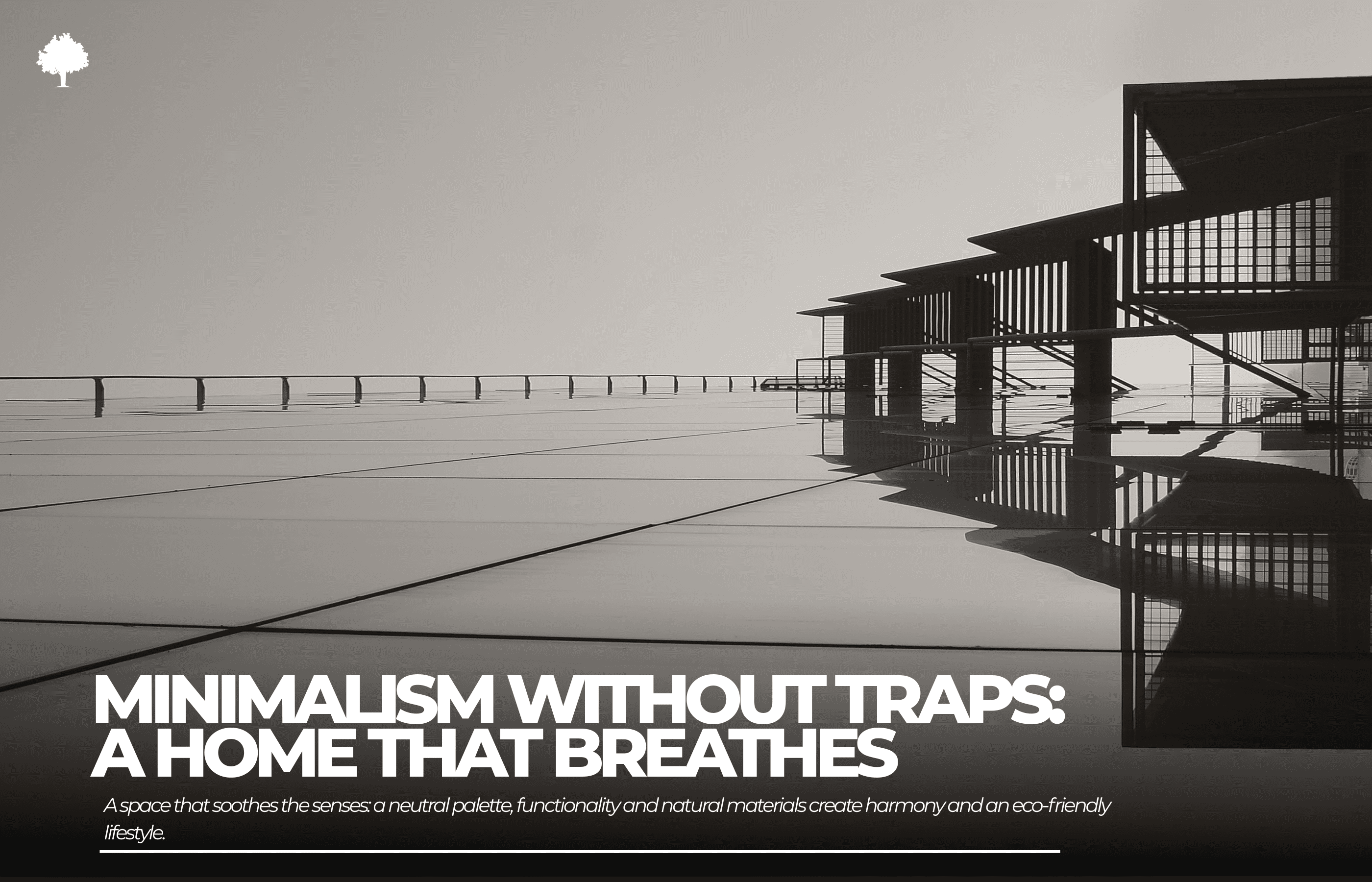
In an age of constant noise, overstimulation, and the relentless pursuit of what’s new, an increasing number of people are craving calm, simplicity, and balance – particularly within their own homes. Minimalist design, once linked mainly with stark modernism, is now enjoying a revival as an answer to the expectations of mindful, contemporary consumers.
Table of Contents
1. Introduction
2. Why is minimalism becoming more relevant?
3. Minimalism is not about emptiness: What does “less” truly mean?
4. The beauty of simplicity – what defines a minimalist interior?
5. Ecology at the core of minimalist philosophy
6. The pitfalls of “pseudo-minimalism” and how to avoid them
7. Summary
8. FAQ
Why is minimalism becoming more relevant?
Overload versus the desire for space
Everyday life today is saturated with excess – information, possessions, responsibilities. Many homes and apartments start to feel like storage areas filled with things rarely used. The idea of “object fatigue” is becoming increasingly common, describing how belongings overwhelm rather than enhance comfort. From this sense of overload grows a natural desire for space – both physical and mental.
Minimalist interior design offers a tangible answer: limiting elements to what is genuinely necessary, while focusing on quality and visual harmony. Clear lines, muted colour schemes, and carefully planned layouts transform interiors into spaces for rest instead of yet another source of disorder.
Minimalism as a remedy for excess
The notion of a “cluttered life” goes far beyond interiors – it reflects a broader lifestyle shaped by constant consumption. A model where everything must be new, fashionable, and abundant is proving exhausting for many. Minimalism emerges as a counterpoint, offering space to slow down, pause, and make intentional decisions.
By eliminating excess, minimalism brings order and serenity into living spaces. It promotes appreciation for objects that are long-lasting, practical, and quietly beautiful. This is not about austerity, but about designing a space where less genuinely means more – because every element serves a purpose.
Minimalism is not emptiness: What does “less” truly mean?
Minimalism is often mistakenly linked with coldness, severity, or a lack of character. In fact, when approached thoughtfully, it can feel warm, intentional, and deeply functional. “Less” does not imply emptiness, but conscious selection – of meaningful objects and a space that supports everyday wellbeing.
Purpose before appearance
In a minimalist interior, every element has a reason for being there. Visual appeal goes hand in hand with practicality – furniture combines beauty with ergonomics, while decorations enhance rather than clutter the space. This functional mindset suits those who value comfort, order, and uncompromising quality.
The emotional weight of fewer objects
Interestingly, the fewer items we own, the more significance those remaining possessions carry. Minimalism encourages reflection on what truly matters – emotionally as well as practically. Minimalist interiors still hold personal accents: cherished photographs, travel mementos, or one-of-a-kind pieces stand out more clearly when they are no longer lost among unnecessary clutter.
Leaving chaos behind, not comfort
Contemporary minimalism does not abandon homely warmth. Instead, it embraces natural materials, soft textiles, daylight, and gentle colour schemes to create a calm and inviting atmosphere. Minimalism is not cold – it is balanced. Choosing order over chaos does not mean sacrificing comfort, but selecting a space that calms, inspires, and allows you to breathe freely.
The aesthetics of simplicity – what defines a minimalist interior?
A minimalist interior is one where function leads the way and beauty arises from deliberate restraint. Although understated at first glance, such spaces impress with elegance and tranquillity, perfectly matching the expectations of discerning, design-conscious users.
Clear lines and a restrained colour range
Simple geometry and the absence of unnecessary decoration are hallmarks of minimalist style. Furniture features defined shapes – sometimes solid and grounded, sometimes light and subtle – always integrated seamlessly into the space. Details are limited but intentional, with craftsmanship and material quality taking priority.
Colour schemes tend to revolve around neutrals: whites, beiges, greys, and black. Rather than dominating, these tones provide a calm backdrop for daily life. Accents of wood, stone, or linen are often introduced to soften the look and bring warmth without disrupting visual clarity.
The role of light and openness
Light is fundamental in minimalist interiors. Expansive glazing, well-positioned windows, and carefully planned artificial lighting help flood spaces with light and emphasise openness. Natural daylight not only enlarges rooms visually, but also enhances a sense of calm and equilibrium.
Space itself is equally important – both what is present and what is intentionally left empty. Minimalist interiors avoid overcrowding. Open areas allow the room and its inhabitants to breathe, making the home a place of restoration, focus, and mental clarity.
Ecology at the core of minimalist philosophy
Minimalism goes beyond style and function – it is also an ethical stance with tangible environmental benefits. By choosing fewer but better things, we actively reduce our environmental impact. A minimalist interior reflects care for the planet and future generations.
Fewer possessions, lower emissions
Manufacturing, transporting, and disposing of products generate substantial CO₂ emissions. Every item carries a cost in materials and energy. By owning less, minimalism naturally reduces this burden. Choosing durable, necessary, and meaningful objects is a responsible approach to consumption – especially valued by those who seek alignment between lifestyle and environmental values.
Natural materials
Thoughtful material selection is another foundation of ecological minimalism. Minimalist interiors favour authenticity – wood, linen, cotton, wool, and stone. These materials are long-lasting, renewable, and biodegradable, ageing gracefully while adding warmth and character to interiors.
Wood and linen – timeless, conscious choices
Solid wood, particularly from certified sources, fits seamlessly into minimalist philosophy. It is durable, timeless, and visually refined. Linen, meanwhile, is breathable, lightweight, and eco-friendly, requiring minimal water during cultivation. Used in furniture, textiles, or accessories, both materials bring authenticity and depth to minimalist interiors.
Natural cork – a minimalist ally
An increasingly popular material in minimalist spaces is natural cork. Lightweight, soft, and pleasant to the touch, it offers excellent thermal and acoustic insulation. It is entirely renewable, harvested without damaging the tree, which continues to grow and absorb carbon.
At home, cork can be used in many forms – flooring, decorative wall surfaces, acoustic panels, or small accessories. Its texture and tone complement the neutral palette of minimalist interiors while adding warmth and natural appeal. It is a material that seamlessly combines practicality, aesthetics, and sustainability.
The pitfalls of “pseudo-minimalism” and how to avoid them
Although minimalism appears simple, it is often misunderstood. Its popularity has led to superficial interpretations that lack comfort, depth, and meaning. Instead of calm and harmony, so-called “pseudo-minimalism” can introduce new frustrations.
Sterility instead of serenity
One common mistake is reducing a space to near-clinical simplicity. White walls, no textiles, cold surfaces, and a lack of decoration can feel empty and impersonal rather than calming. True minimalism is about thoughtful selection – keeping what is meaningful, useful, and valuable.
A genuine minimalist interior should feel welcoming and comfortable. Warm materials, soft fabrics, light, and subtle details create an atmosphere that supports relaxation. Calm comes not from absence, but from the presence of the right elements.
Getting rid of everything – when it’s unnecessary
Another trap is adopting an overly radical approach to decluttering. Minimalism is not about discarding everything that doesn’t match a certain look, but about carefully evaluating what is genuinely needed. Thoughtless disposal – even of practical or sentimental items – can lead to frustration and regret.
Minimalism is not a short-term overhaul, but a long-term shift in thinking about space. It is a conscious, gradual process rather than an impulsive reset. Balance is essential – between design and daily life, form and meaning, modernity and authenticity.
Summary
Minimalism in interior design is not a passing trend, but a lasting shift in how we view space, lifestyle, and values. Reducing excess does not mean sacrificing quality – it means choosing deliberately. A minimalist home is filled with what is functional, beautiful, and enduring. It serves people and their needs, rhythms, and emotions. Such interiors can feel warm, welcoming, and full of light, enriched by authentic materials like wood, linen, or natural cork.
FAQ – Minimalism in interiors
1. Does minimalism require giving up decorations?
No. Minimalism is about intentional selection, not total elimination. Instead of random ornaments, it favours items with emotional, aesthetic, or functional significance – fewer, but chosen with care.
2. How can you distinguish true minimalism from emptiness?
True minimalism creates a coherent whole where form, function, and atmosphere work together. An empty space lacks warmth and identity, while a minimalist interior can feel cosy through the use of natural materials, light, and soft accents.
3. Is minimalist design suitable for families with children?
Yes – as long as the space is well organised. Minimalism in family homes helps reduce disorder, supports good habits, and encourages a mindful relationship with belongings. Functionality, easy maintenance, and smart storage are key.
4. Can minimalism be combined with other styles?
Yes, provided consistency is maintained. Minimalism is often blended with Scandinavian, japandi, or modernist elements. The key is moderation and a coherent approach to forms, colours, and materials.


