.png)

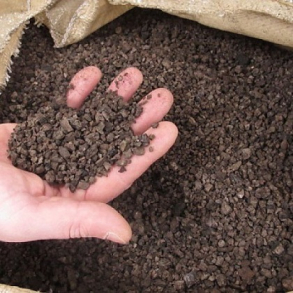
Expanded granulated cork for thermal and acoustic insulation 2-4mm - 120l (0,12m3) - 10kg
Amorim IsolamentosEGC24
- secure payment!
- cheap shipping!
- express delivery!
- cheap shipping!
- express delivery!
In stock
£ 105.13

When picking insulation, it’s worth looking beyond just the immediate benefits. Budget-friendly choices might be tempting upfront, but they often bring future hassles and extra costs. Plus, not every type of insulation seals gaps well or guarantees safety. That’s where expanded cork granulate stands out. It's durable, resist moisture, hold their shape, and come straight from nature.
Light and Durable

100% Natural Origin

Superior Insulation

Built to Last

Eco-Friendly Choice

Safe
We offer four fractions: 2–4 mm, 2–9 mm, 4–8 mm, and 3–15 mm.
It's expanded cork broken into pieces – this natural, airy material offers even greater insulation performance than the classic cork.
Expanded cork comes from cork oak bark and gets its form through high-heat treatment. This heat makes natural cork expand and turn dark brown – all without using any chemicals. Cork contains suberin, a natural glue-like substance that’s released during the heating stage and helps everything stick together naturally.
It's primarily used in building and insulation work, such as:
Outside of construction, they’re also handy for things like:
The biggest advantage is its brilliant insulation qualities – it blocks heat and noise even better than standard cork.
It also has loads of other perks:
Yes, they’re backed by a Polish health certificate from the National Institute of Public Health, proving they’re safe to use – non-allergenic, non-irritating, and without any side effects. We're currently the only certified provider in Poland to offer this assurance.
Yes, it is – cork is one of the most eco-friendly materials around. It’s taken from the bark of cork oaks, and there's no need to chop the tree down. The bark grows back every 9 to 12 years, so it can be collected multiple times with no harm done to the tree or surrounding nature. Cork oaks live long lives – some even reach 200 years or more.
On top of that, cork has a carbon-negative footprint. These trees can absorb as much as four times the CO₂ that other trees do!
Expanded cork granules deliver insulation that can last for as long as 50 years.
It has a dark brown tone, which comes from the high-temperature heating process. There’s no dye or colouring used. Compared to the usual beige cork, the expanded version looks a bit more raw.
For granules between 2–9 mm, the density usually falls in the range of 70–80 kg/m³.
Cork definitely outperforms foam. Foam is man-made and breaks down over time – it can shrink, crack, or lose insulation properties. Also, making foam creates a large carbon footprint.
By contrast, cork:
It’s best to store it in a dry and well-aired area. Don’t put them in damp basements or under outdoor covers. Also, steer clear of placing them near heat or in direct sunlight.
In short: keep them dry, ventilated, and out of the sun, and away from heaters.
A lot of people think that being eco-friendly means giving up on performance. And let’s face it – your home’s not the place to take chances. But expanded cork isn’t a gamble – it’s a tried-and-true solution that works better than most synthetic materials. You don’t have to decide between “green” and “reliable” – with this, you get both at once.

If you’ve dealt with low-cost synthetic insulation, you’ve probably seen how quickly issues can show up. They might save you money at first, but often turn out to be more trouble than they’re worth. Expanded cork is a whole different approach. You put it in once – and forget about it. It holds up over the years, with no need for glues or extra treatments.
Not all materials are cut out for quality granules. Some fall apart, clump, or lose their form. Expanded cork keeps its shape – light, loose, and reliable. It’s not about just filling a void – it’s about knowing that years down the line, it’ll still be working just as well as day one.
We’re constantly surrounded by plastic, foams, and synthetic stuff that gets thrown out – or worse, litters nature. Most people don’t realise how much pollution and energy is tied to making those materials. And what’s the result? They don’t last, and they create lasting problems. Expanded cork doesn’t do that – it’s clean, eco-friendly, and works hand-in-hand with the planet.
Here’s the thing: cork oaks naturally regenerate without needing to be cut down – they can keep producing for decades. Still, we often turn to synthetics that may seem “affordable”, but the hidden cost is environmental. Cork is the better choice. It generates no waste, and cork trees actually pull carbon dioxide from the air, helping reduce global emissions.
Cork reacts to heat a bit like popcorn – it expands, gets airy and light (but without needing a microwave or oil, of course).
It all begins with the cork tree’s bark, which is removed gently – no damage done. Then, it’s heated to high temperatures. That’s when cork cells expand and puff up. It also darkens in colour. During this process, the cork releases suberin – a natural binding agent – which holds the granules together.
This process is what gives expanded cork its excellent insulation power. It traps warmth better, and cuts down on noise more than regular cork.
Expanded cork granules weigh very little – making them easy to handle and pour, even into tricky spaces where rigid panels can’t be used.
And unlike lots of synthetic products that can release toxins or cause irritation, expanded cork is totally safe. It doesn’t trigger allergies, won’t irritate your skin or eyes, and contains no harmful VOCs.
| Fraction | 3-15 mm |
| Volume | 1000 l (1 m³) - 70 kg |
| Colour | Dark brown |
| Material | Expanded cork |
EGC24
In stock
£ 105.13
EGC310
In stock
£ 105.13
EGC48
In stock
£ 105.13
EGC315
In stock
£ 105.13
 Secure payments
 always free shipping
 Highest quality
 Satisfaction Guarantee