.png)

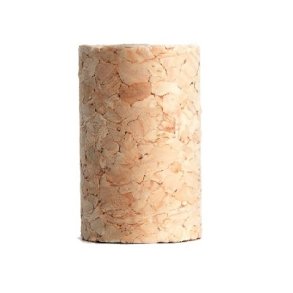
Cork stoppers SELO1 44x24mm for still wines
Cork MinistryCS4424S1
- secure payment!
- cheap shipping!
- express delivery!
In stock
£ 0.73 for 100 pcs.


Traditional choice

Natural material

Safe for sparkling wine

For short-term storage

Effective and economical

Preserves fresh taste
Both types of stoppers are perfect for sparkling wines. They work particularly well for wines that don’t need long ageing, such as prosecco or young cava.
Yes, natural cork is an ideal choice for sparkling wines:
In terms of appearance, the main difference lies in the shape of the bottom. EXPO1 has a simpler, flatter base, while EXPO2 features a slightly rounded bottom.
As for technical parameters, EXPO1 has a slightly lower moisture absorption (≤ 30%) compared to EXPO2 (≤ 40%). The stoppers also differ in TCA release levels – EXPO1 offers a lower level (≤ 1.5 ng/L), whereas EXPO2 reaches ≤ 2.0 ng/L. However, for sparkling wines that aren’t aged for long, these differences aren’t very significant. For wines, you plan to drink sooner, both models will perform equally well.
The dimensions of all EXPO stoppers are 47 × 29 mm.
TCA, or trichloroanisole, is a compound that can sometimes make wine taste “corked”. The rule is simple – the less TCA in the stopper, the lower the risk of the wine developing this flavour. That’s why we carefully inspect all our stoppers to ensure that the TCA level is safe and appropriate.
Yes, TCA has no negative impact on health, so there’s no need to worry. Even if it appears in the wine, it poses no health risk. The wine is still completely safe to drink.
No, the EXPO models are designed exclusively for sparkling wines that don’t require long ageing.
If you’re looking for stoppers for still wines, we recommend:
The stoppers are made from natural cork granules, which are completely safe for food contact. They contain no recycled materials or GMOs.
The entire production process is strictly controlled and complies with food safety regulations. All materials and methods used in production adhere to the International Code of Cork Stopper Manufacturing Practices.
No, today's wine corks are ready to use right away. Soaking natural corks used to be common practice, but it's no longer necessary.
It's best to store them horizontally, so the cork stopper stays moist. This ensures proper protection for the wine.
It's ideal to store the bottles in a cool, dark place with a stable temperature, preferably between 10 and 15°C.
If possible, maintain the humidity in the room at around 70%.
Yes, natural cork is one of the most eco-friendly materials! It's harvested from the bark of the cork oak tree, leaving the tree unharmed. The tree continues to grow and regenerates its bark regularly. This process can be repeated for decades!
Cork is also fully biodegradable and can be recycled. The cork oak forests, where natural cork is harvested, are home to many plants and animals.
People often think that choosing a wine cork is just a small detail, but nothing could be further from the truth. Its quality is unmatched by other stoppers. It’s not just about drinking wine; it’s about celebrating moments. Here's why it's worth choosing the best wine bottle stopper for sparkling wine.

How many times have you opened a bottle of wine and thought, “Why is there plastic in here?” It’s true – synthetics just don’t belong with fine wine. Cork is nature in its purest form – it doesn’t just seal the bottle, it cares for the wine, bringing out the best in it.
A natural cork stopper isn’t some mass-produced item that often means low quality. Cork is a natural, yet efficient and high-quality material that has been excelling in its role for centuries – long before plastic even hit the market!
Many people don’t realise that what we use to seal a wine bottle has SUCH a big impact on health. Natural cork is the healthy choice – zero artificial additives.
Our natural cork stoppers are GMO-free and fully compliant with food contact regulations. You can enjoy your wine with complete confidence, knowing it’s entirely safe. It’s a peace of mind that plastic will never offer you.
Opening a bottle with natural cork is more than just unscrewing a stopper – it’s a true ritual. With a plastic cap, the magic isn’t there. You just twist it, and... that’s it. But natural cork has soul, history, something you can see and feel right away.
The natural structure and aesthetic shades of brown also make a huge impression. Natural cork adds a unique charm to a wine bottle, and every piece is one of a kind. It’s nature, so no two stoppers are the same. EXPO stoppers are made from natural materials, each varying in texture, shades, and shape.
Each wine stopper is made from carefully selected cork granules, individually shaped to fit the bottle as perfectly as possible. This is especially important for sparkling wines. After all, the cork stopper needs to be durable, yet flexible and airtight. All of this is to keep the bubbles where they belong.
Each of our stoppers undergoes quality control to ensure your wine is safe. This helps you avoid issues like wine leakage or overly rapid oxidation.
Natural cork is 100% biodegradable. In practice, this means you’re not leaving behind any waste that will sit in landfills for hundreds of years. Unfortunately, that's exactly what happens with plastic closures…
What’s more, every hectare of cork oak forest supports incredible biodiversity. In Portugal alone, which produces the most natural cork in the world, these forests are home to over 135 species of plants and animals, including endangered species like the Iberian lynx.
| Size | 47 × 29 mm |
| Length Tolerance | +/- 0,5 mm |
| Diameter Tolerance | +/- 0,3 mm |
| Moisture | 4% < HR < 8% |
| Density | 240 - 320 kg/m³ |
| Absorption | ≤ 30% |
| Dust | ≤ 2 mg |
| Cutting Voltage | ≥ 6 daN/cm² |
| Torsion Angle | ≥ 35 ° |
| Resistance To Boiling Water | No Breakdown |
| Releaseable TCA | ≤ 1,5 ng/L |
| Sensory Analysis | Neutral |
| Oxidants | ≤ 0,1 mg |
CS4424S1
- secure payment!
- cheap shipping!
- express delivery!
In stock
£ 0.73 for 100 pcs.
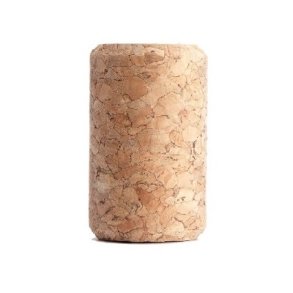
CS4424S2
- secure payment!
- cheap shipping!
- express delivery!
In stock
£ 0.73 for 100 pcs.
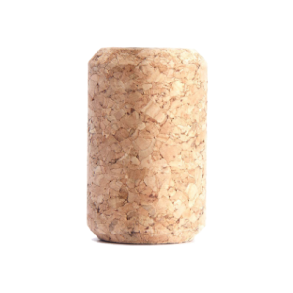
CS4729E2
- secure payment!
- cheap shipping!
- express delivery!
In stock
£ 0.84 for 100 pcs.
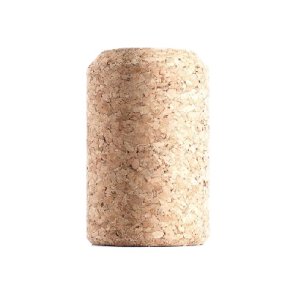
CS4830V1
- secure payment!
- cheap shipping!
- express delivery!
In stock
£ 0.83 for 100 pcs.
 Secure payments
 always free shipping
 Highest quality
 Satisfaction Guarantee