.png)

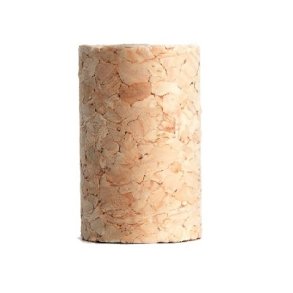
Cork stoppers SELO1 44x24mm for still wines
Cork MinistryCS4424S1
- secure payment!
- cheap shipping!
- express delivery!
In stock
£ 0.73 for 100 pcs.


A time-honoured option

Natural cork

Safe for sparkling wines

Short-term use

Cost-effective and efficient

Retains freshness
Both stoppers are ideal for sparkling wines. They’re especially effective for wines that aren’t aged for extended periods.
Absolutely, natural cork is perfect for sparkling wines:
The primary visual difference is the base design. EXPO1 has a simpler, flat bottom, whereas EXPO2 has a slightly rounded base.
Technically speaking, EXPO1 absorbs slightly less moisture (≤ 30%) compared to EXPO2 (≤ 40%). They also vary in TCA levels – EXPO1 has lower TCA release (≤ 1.5 ng/L) while EXPO2 has ≤ 2.0 ng/L. However, for sparkling wines that are consumed quickly, these differences are minor, and both perform excellently.
All EXPO stoppers measure 47 × 29 mm.
TCA, or trichloroanisole, is a compound that can sometimes cause wine to have a 'corked' taste. The rule is simple – the less TCA in the stopper, the lower the chance of this happening. That’s why we thoroughly inspect each stopper to ensure safe TCA levels.
No, TCA does not pose any health risks. Even if it appears in the wine, it doesn’t affect health, and the wine remains safe to drink.
No, the EXPO models are specifically designed for sparkling wines that aren’t aged for long periods.
If you're after stoppers for still wines, we recommend the following:
The stoppers are crafted from natural cork granules, ensuring they are safe for food use. No recycled materials or GMOs are used.
The entire production process is carefully monitored to meet food safety standards. All materials and methods comply with the International Code of Cork Stopper Manufacturing Practices.
No, modern wine corks are ready to use straight away. While soaking was once a common practice, it’s no longer necessary.
It's best to store them horizontally to keep the cork moist, which helps maintain its effectiveness.
For optimal preservation, store bottles in a cool, dark environment with a consistent temperature, ideally between 10 and 15°C.
Additionally, try to maintain the humidity at around 70% if possible.
Yes, natural cork is highly sustainable. It’s harvested from the cork oak tree’s bark without damaging the tree itself. The tree regenerates its bark, making this process repeatable for decades!
Cork is also fully biodegradable and recyclable. The cork oak forests, where this natural cork is sourced, are rich in biodiversity, home to various plant and animal species.
Many assume that the choice of wine cork is a minor detail, but that couldn’t be further from the truth. Its quality surpasses other stoppers. It’s not just about drinking wine; it’s about cherishing moments. Here’s why selecting the best stopper for sparkling wine matters.

Have you ever opened a bottle and wondered, “Why is there plastic here?” It’s true – synthetics don’t belong in fine wine. Cork is nature at its finest – not only sealing the bottle but enhancing the wine’s quality.
A natural cork stopper is not a mass-produced item associated with low quality. Cork is a premium, sustainable material that has outperformed its synthetic counterparts for centuries – long before plastic came into existence!
Few realise the impact of bottle closures on health. Natural cork is the health-conscious option, with no artificial additives.
Our natural cork stoppers are GMO-free and fully meet food safety regulations. You can enjoy your wine confidently, knowing it’s completely safe. This is peace of mind that plastic alternatives can’t offer.
Opening a bottle sealed with natural cork is more than just opening wine – it’s a ritual in itself. With plastic caps, the experience is lost. You just twist and go. But with natural cork, you can feel its history and authenticity.
The natural texture and warm tones of brown are also visually striking. Natural cork brings a unique aesthetic to the bottle, and no two corks are alike. Each EXPO cork is made from natural materials, so the texture, colours, and shape will vary slightly, creating a one-of-a-kind experience.
Each wine stopper is carefully crafted from selected cork granules, specifically designed to fit the bottle perfectly. This is especially crucial for sparkling wines. After all, the stopper must be both robust and flexible to maintain a proper seal.
Every stopper undergoes strict quality control to ensure your wine is protected. This helps prevent issues like leaks or excessive oxidation.
Natural cork is entirely biodegradable. In practice, this means you’re not contributing to landfill waste that lasts for centuries. Sadly, that’s what happens with plastic stoppers…
Moreover, each hectare of cork oak forest fosters remarkable biodiversity. In Portugal alone, which produces the majority of the world’s natural cork, these forests support over 135 species of plants and animals, including endangered species such as the Iberian lynx.
| Size | 47 × 29 mm |
| Length Tolerance | +/- 0,5 mm |
| Diameter Tolerance | +/- 0,3 mm |
| Moisture | 4% < HR < 8% |
| Density | 240 - 320 kg/m³ |
| Absorption | ≤ 40% |
| Dust | ≤ 2 mg |
| Cutting Voltage | ≥ 6 daN/cm² |
| Torsion Angle | ≥ 35 ° |
| Resistance To Boiling Water | No Breakdown |
| Releaseable TCA | ≤ 2,0 ng/L |
| Sensory Analysis | Neutral |
| Oxidants | ≤ 0,1 mg |
CS4424S1
- secure payment!
- cheap shipping!
- express delivery!
In stock
£ 0.73 for 100 pcs.
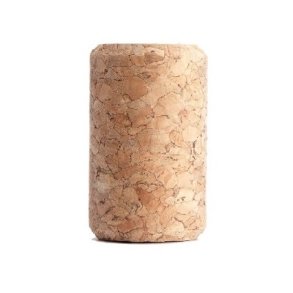
CS4424S2
- secure payment!
- cheap shipping!
- express delivery!
In stock
£ 0.73 for 100 pcs.
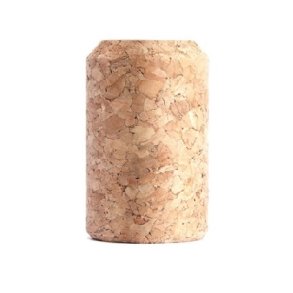
CS4729E1
- secure payment!
- cheap shipping!
- express delivery!
In stock
£ 0.85 for 100 pcs.
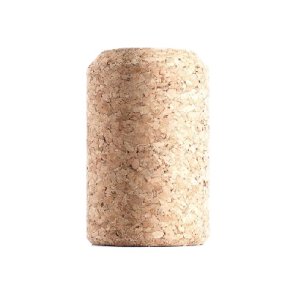
CS4830V1
- secure payment!
- cheap shipping!
- express delivery!
In stock
£ 0.83 for 100 pcs.
 Secure payments
 always free shipping
 Highest quality
 Satisfaction Guarantee