FREE SHIPPING FOR ALL ORDERS. ORDER NOW!

Currency:

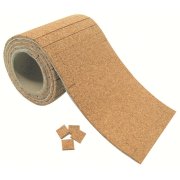
Cork pad spacers on roll

How do you protect glass so it arrives intact? Because sometimes all it takes is a small knock and the whole pane turns into a spiderweb of cracks… And that’s when the cascade of costs begins. Production, transport, handling complaints, and wasted time. You simply can’t properly protect glass without the right material. From our experience, Cork Pads For Glass work exceptionally well here. Available with adhesive layers, they stabilise the glass exactly where it’s needed. A simple solution that genuinely reduces the number of losses.


No products found.

Got questions? Check out the answers!

WHY IS CORK USED AS GLASS SPACERS?

Because it solves a real problem. Here’s why: during storage and transport, glass “moves” — it shifts and vibrates. The corners take point impacts, and that’s exactly when scratches or microcracks are most likely to occur. Cork acts as a protective layer between the panes.

  • The glass doesn’t shift → lower risk of scuffs and scratches.
  • Corners don’t take hard, point impacts → pressure is distributed more evenly.
  • It absorbs vibrations → preventing them from transferring further.
  • It adapts to the surface → cushioning instead of compacting.
  • It also doesn’t crumble like some foams do → which is essential when transporting glass.

WHICH CORK SPACERS CAN I CHOOSE FROM?

LowTack or HighTack. The difference lies in the adhesive strength and where they can be used:


LowTack – weaker adhesive

  • spacers can be applied directly to the glass,
  • easy to remove,
  • leave no residue.

Choose this version if the spacers will come into direct contact with the glass.


HighTack – stronger adhesive

  • provides a very firm hold,
  • used exclusively on protective film,
  • should not be applied directly to glass.

WHY DOES IT MATTER THAT CORK IS ECO-FRIENDLY?

Because it’s not just a “nice extra” in the description. It makes a real difference — both environmentally and in terms of brand perception.

  1. It means less plastic in circulation. Cork is a natural, renewable material. You’re not creating more plastic waste that stays with the customer for years. If you regularly package glass, the reduction in plastic really adds up over time.
  2. Customers notice it. When someone unpacks glass and sees cheap, crumbling foam, it subconsciously feels like a cost-cutting measure. When they see natural cork, the impression is different — more professional and more considered.

It’s a small detail that shapes the first impression. And in the glass and finishing industry, details matter.


Glass is an extremely delicate material — you can’t transport it just any old way. One large pothole, sudden braking, or poorly protected corners is enough for a crack to appear. Glass doesn’t forgive mistakes during transport, which is why it needs to be separated, stabilised, and cushioned. And every journey involves a series of vibrations and micro-impacts. Cork glass block spacers create a flexible layer that limits movement and absorbs part of those shocks.


Broken glass isn’t just the loss of the pane itself. It means the cost of producing it again, arranging another shipment, handling the complaint, and your own time. On top of that comes the stress and, often, a loss of customer trust. Proper protection simply saves a lot of resources.


Cork protects glass effectively. It’s flexible, adapts to the surface, and then returns to its original shape. Versions with adhesive additionally help keep the spacer firmly in place. If you’re unsure whether cork will work for your needs, or which adhesive option to choose — get in touch with us. Tell us what you ship and how you package it. We’ll be happy to help!


Secure payments
always free shipping
Highest quality
Satisfaction Guarantee