.png)

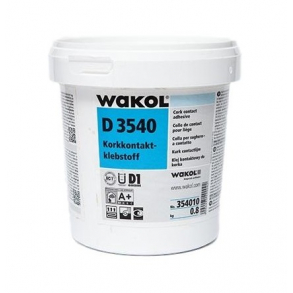
Cork contact adhesive Wakol D 3540 0,8kg
WakolD3540-0,8
- secure payment!
- cheap shipping!
- express delivery!
- cheap shipping!
- express delivery!
In stock
£ 71.26

Cold walls ruin the overall comfort of being at home. Paint might look nice, but it won’t make them any warmer. Same with wallpaper – it’s just decoration. And when cold seeps in from the walls, it affects not only how you feel, but also your wallet (because of the higher heating bills). So what can you do about it? From experience, we know that 12 mm Cork Roll clearly improves comfort: it warms, insulates against noise, and looks good too. Install it once and enjoy peace of mind for years.

Warm Walls Every Day

Effective Wall Protection

Quieter Interior

Clean And Dust-Free

Healthier Indoor Climate

Lasts For Years
12 mm is a solid cork thickness. It offers much better insulation than thinner decorative mats. This thickness is used primarily as an insulating layer – suitable for both domestic and industrial use.
If your wall feels cold to the touch, cork acts as a barrier and helps reduce heat loss. It also provides sound insulation: it disperses and dampens noise, so the wall doesn’t carry sound through. It’s great for homes with children, for remote work, or simply if you want a warm and quiet home.
Important: this type of cork isn’t intended for use under flooring. If you’re looking for underlay, we recommend cork underlays.
The basic rule is:
12 mm cork is an insulating layer – it’s not just about appearance. If you're only after the visual effect, a thinner cork (e.g. 2–4 mm) will do the job. But if you're looking for real insulating properties, it's worth choosing a material that's over 10 mm thick.
Absolutely – 12 mm cork works very well for warming up cold walls. It creates a surface that feels warm to the touch and reduces the sensation of cold air coming from the wall.
You can cover the entire wall with cork, but that’s not your only option. Sometimes it’s enough to apply it in specific spots – behind the bed, by a desk, or near a child’s cot. That’s why we also offer a 12 mm cork roll in smaller formats – so you can easily fit it to the area you need.
You’ll find it available in both longer rolls and smaller formats. It’s all designed to help you easily choose the right size for your needs – whether it’s for an entire wall, a section of it, or a smaller technical project. Regardless of the size, the cork offers the same properties – the only difference is in the dimensions.
It’s a versatile material – apart from insulating walls, you can also use it for:
If you're planning to cover a larger surface, such as an entire wall, a roll is a much better choice. You can lay the cork in long, continuous strips, so there are far fewer joins, and installation is quicker.
Sheets are great for smaller projects, but on larger surfaces they take more time and leave more visible joins.
No – it’s a hypoallergenic material. It doesn’t produce dust, release irritants, or attract dirt. It’s safe even for sensitive individuals, including those with allergies or asthma.
Foam mats are usually cheaper – but that’s where their advantages end when compared to cork. Cork is a natural alternative to synthetic materials. It offers thermal and acoustic insulation, doesn’t produce dust, release chemicals, or attract dirt.
Wakol D-3540 works very well – it’s a water-based contact adhesive. It’s easy to use and provides a strong bond with cork.
Average adhesive consumption is 150–250 g/m², which means that 0.8 kg is enough for around 4 m², and a 2.5 kg pack will cover approximately 12.5 m².
It’s best to use a soft cloth or gentle sponge – either dry or slightly damp.
Avoid scrubbing too hard, using too much water, or applying harsh cleaning agents – cork is a natural, porous material, so it’s best to treat it with care.
It’s hard to find finishing materials that are truly practical, safe, durable – and made from natural materials. Cork is the exception. It’s natural, hypoallergenic, and practical – it insulates, dampens noise, and boosts comfort.

If your walls feel cold to the touch, natural cork effectively reduces that chill and improves overall comfort at home. Once installed, it forms a natural barrier that makes the walls feel warm. This is especially important in bedrooms, behind the bed, near a desk, or in a child’s room. Cork also dampens noise, creating a calmer indoor atmosphere – so you can work, read or relax in peace.
Heating bills also go down. Thanks to the improved insulation that cork provides, rooms retain warmth for longer, meaning your heating system doesn’t have to work as hard. And that translates into real savings on your energy bills.
Not every finishing material can be described as “healthy” – but cork certainly can. It’s natural, emits no toxins, and doesn’t produce dust. Another key advantage for allergy sufferers and sensitive individuals – cork doesn’t attract dust. Its antistatic properties mean that dust doesn’t stick to it.
That results in less dust in the air – and less cleaning. People with asthma especially appreciate this, as do all those who want clean, healthy air at home. Cork is a “breathable” material – it naturally regulates the indoor climate.
More and more homeowners are choosing cork when they want to improve thermal or acoustic comfort without a full-scale renovation. It’s a solution that can be introduced quickly, without major alterations – and the effects are noticeable almost immediately. Cork is being used on walls in bedrooms, children’s rooms, home offices and even rental properties.
It also matters that cork is a renewable material, harvested from the bark of the cork oak – the tree itself doesn’t need to be cut down. In practice, that means you’re choosing something that not only works, but also leaves a much smaller environmental footprint.
| Format | Roll |
| Colour | Natural |
| Length | 50 m |
| Width | 1 m |
| Thickness | 12 mm |
| Material | Natural cork |
| Installation | Glue |
| Adhesive layer | No |
D3540-0,8
In stock
£ 71.26
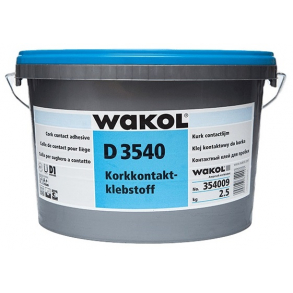
D3540-2,5
In stock
£ 97.83
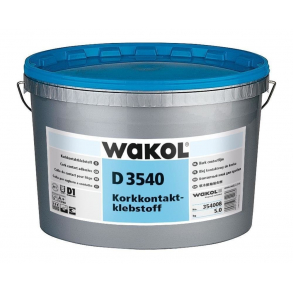
D3540-5,0
- secure payment!
- cheap shipping!
- express delivery!
In stock
£ 119.04
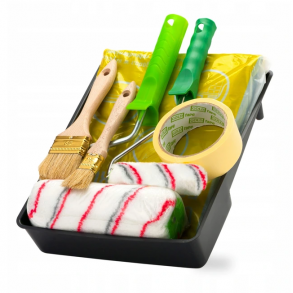
3083
- secure payment!
- cheap shipping!
- express delivery!
In stock
£ 65.94
041004005
- secure payment!
- cheap shipping!
- express delivery!
In stock
£ 99.72

ZPM
Delivery time: 1 week
£ 92.84
ZPD
Delivery time: 1 week
£ 107.43
 Secure payments
 always free shipping
 Highest quality
 Satisfaction Guarantee