Where standard underlays, foams or felt simply can’t withstand the load, lose their properties and quickly become compressed. If, after a year of use, the underlay is flattened and the floor starts to creak, it’s a clear sign the material hasn’t stood the test of time.
The combination of cork and rubber is the right choice if you’re looking for something more durable:
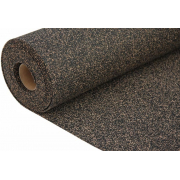
- Rubber cork underlays for flooring – protects the floor while improving its stability and comfort underfoot. It performs particularly well beneath floors exposed to heavy, day-to-day use.
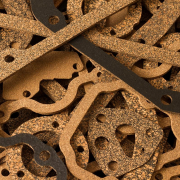
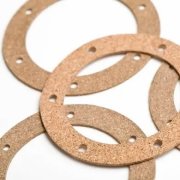
- Rubber cork sheets for gasket production – allow gaskets to be cut precisely to size. The material conforms well to surfaces and maintains a reliable seal. It is resistant to greases and oils.
- Rubber cork in rolls for bespoke gasket manufacturing – ideal for longer or non-standard gaskets where material continuity is essential.
- Rubber cork coverings for machine rollers – used in winding, slitting, printing, flexographic, rewinding and laminating machines, among others.
If you’re unsure which form of rubber cork will best solve your problem, get in touch. We’ll help you choose the right material.
When might rubber cork not be the best option?
- If you’re simply looking for the cheapest possible underlay for short-term use.
- In cases of light loads and standard residential conditions, cork on its own is usually sufficient.
In such situations, rubber cork would simply be an unnecessary expense.
.png)


.w180.h180.fill.jpg)

 Secure payments
 always free shipping
 Highest quality
 Satisfaction Guarantee