FREE SHIPPING FOR ALL ORDERS. ORDER NOW!

Currency:

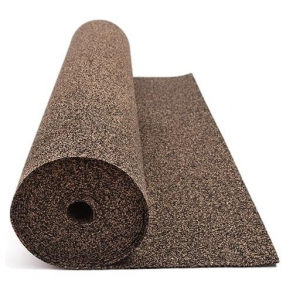
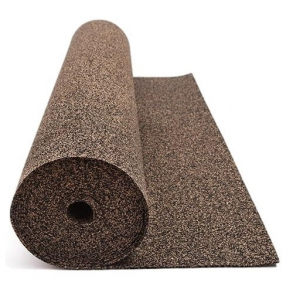
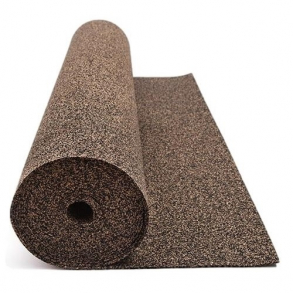
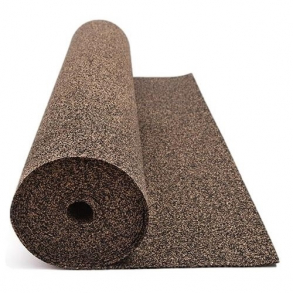
Rubber cork underlay

You buy flooring, invest a fair amount of money in it, and expect it to last for years. It should be durable, warm underfoot, comfortable and stable. Yet – most often – it doesn’t take long before something feels off: it flexes, creaks, and feels cold to the touch. The issue may not lie with the flooring itself, but with what you can’t see – the underlay. Choosing the right material makes all the difference. Rubber Cork Insulated Underlay for flooring is denser and far more durable than typical budget options. It’s the right choice if you’re not prepared to settle for underlays that lose their performance after just two or three years.


Frequently Asked Questions

WHAT TYPES OF FLOORING IS RUBBERISED CORK SUITABLE FOR?

This underlay can be used beneath:

  • laminate flooring,
  • carpet,
  • parquet,
  • wood boards,
  • linoleum,
  • PVC flooring,
  • ceramic tiles,
  • stone,
  • cork flooring.

It’s used wherever the floor needs to be stable, quiet, warm underfoot and durable to everyday wear and tear. Whether in residential properties or commercial premises.

It’s an excellent choice for high-traffic areas such as hallways, open-plan living spaces, offices, consulting rooms, receptions, shops and service premises.

Thanks to its higher density (approx. 650 kg/m³), it doesn’t compress easily under load and retains its shape over time. Rubber cork is available in a range of thicknesses (up to 10 mm), allowing it to be matched to the type of flooring and the expected level of use.

Not sure if it’s right for your floor? Get in touch — we’ll be happy to help.


When might another solution be a better option?

  • if the subfloor is highly uneven (rubber cork is not a levelling compound),
  • if you have electric underfloor heating,
  • if your only priority is the lowest possible price,
  • if the floor won’t be subject to heavy use (in that case, traditional cork will be perfectly sufficient).

WHY CHOOSE RUBBER CORK INSTEAD OF FOAM OR OTHER STANDARD OPTIONS?

Foam may be cheaper, but it’s also softer, which means it compresses more easily under load. As a result, the floor can quickly lose its stability and durability. With heavily used floors, this kind of saving often turns out to be a false economy. Most low-density underlays perform well only at the beginning.

Rubber cork, with a density of around 650 kg/m³, doesn’t compress nearly as easily. It absorbs vibrations far more effectively and provides greater overall stability. If you don’t want to be revisiting your flooring in two or three years’ time and would rather get it done properly from the outset, this is the solution for you.

HOW DOES RUBBERISED CORK DIFFER FROM STANDARD CORK?

Put simply, rubber cork is a reinforced version of traditional cork underlay. It’s made from a blend of cork granules and rubber, which makes it denser, more compact and more durable to load.

Standard cork works well in typical domestic settings — bedrooms, guest rooms or areas with moderate footfall. If that’s what you need, there’s little point in spending extra on rubber cork underlay. However, if your floor is subject to heavy use, rubber cork is the better option.

Not sure which solution makes more sense in your case? Drop us a message. Tell us about the flooring, the subfloor and the type of building — we’ll point you in the right direction.

WHAT THICKNESS OF RUBBER CORK INSULATED UNDERLAY SHOULD YOU CHOOSE?

A thicker rubber cork underlay offers better insulation and greater resistance to load, but not every floor requires it. In some cases, a thinner option will be perfectly sufficient — especially if the subfloor is level and stable.

If your main priority is providing solid support for flooring without raising the floor height, go for a thinner underlay. A thicker version makes sense if you’re looking to improve insulation further or if the floor will be subject to heavier use.

Not sure what would be the most sensible choice in your situation? Tell us what type of flooring and subfloor you have — we’ll give you clear, tailored advice.

IS RUBBER CORK INSULATED UNDERLAY SUITABLE FOR UNDERFLOOR HEATING?

Yesbut with an important distinction. Rubber cork generally works well with water-based underfloor heating systems. Its dense structure helps distribute heat evenly across the surface.

However, we do not recommend using rubber cork with electric underfloor heating. These systems tend to heat up more quickly and in specific areas. A dense underlay can restrict heat transfer into the room, reducing the overall efficiency of the system.


A properly selected underlay should ensure that even after three to five years, the floor remains stable. Thanks to its higher density, rubber cork is far more resistant to compression than, for example, foam. It moves naturally with the floor, while consistently providing firm, reliable support.


It also reduces noise, preventing the floor from booming or sounding hollow underfoot. Another important benefit is comfort. The underlay creates a barrier between the floor and the cold subfloor, making the surface feel pleasantly warm. If you tend to walk barefoot, have a young child who plays on the floor, or simply dislike that chilly feeling underfoot, the difference is immediately noticeable.


If you’re unsure whether you’ll genuinely notice the difference in your situation, tell us what type of flooring and subfloor you have, and how heavily the space will be used. We’ll be upfront about what makes sense and what would simply be an unnecessary expense. A well-chosen underlay is something you don’t have to think about later on. And that’s exactly the point.

Secure payments
always free shipping
Highest quality
Satisfaction Guarantee