


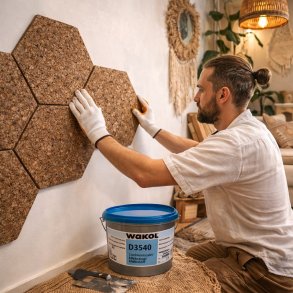
Cork contact adhesive Wakol D 3540 0,8kg
WakolD3540-0,8
- secure payment!
- cheap shipping!
- express delivery!
- cheap shipping!
- express delivery!
In stock
£ 74.72

3-in-1 protection: thermal, acoustic and vibration insulation

Made from 100% natural cork

Long-lasting performance you can rely on

Cost-effective insulation solution

Versatile cork insulation for multiple applications

Safe and dependable
Expanded cork is a natural cork material transformed through a high-temperature expansion process. During heating, the cork granules increase in volume, rather like popcorn, while releasing suberin, a naturally occurring substance that binds them together without the need for synthetic adhesives. This specialist manufacturing process gives expanded cork its distinctive dark brown appearance and enhances its thermal insulation performance, making it an effective material for reducing heat transfer and improving energy efficiency in buildings.
High-density expanded cork insulation offers a compelling alternative to traditional materials, including mineral wool, polystyrene and polyurethane foam. Its combination of durability, natural composition and insulating properties makes it particularly attractive for projects where long-term performance and sustainability are important.
Mineral wool can cause temporary irritation to the skin, eyes and respiratory system during handling and installation. Certain mineral wool products may also experience reduced thermal performance if exposed to excessive moisture. Expanded cork, by comparison, is a natural material that is generally comfortable to handle and does not require synthetic binders during its manufacture. Its moisture-resistant characteristics also help limit water absorption, making it a practical option for applications where humidity and long-term material stability need to be considered.
Polystyrene insulation can be vulnerable to physical damage and has limitations when exposed to elevated temperatures. Recycling certain types of polystyrene can also present practical challenges. Expanded cork boards provide a robust alternative, offering good compressive strength, resistance to everyday wear and excellent thermal stability. Their ability to withstand changing environmental conditions contributes to a long service life, while cork's natural origin and potential for recycling make it an appealing choice for environmentally conscious construction projects.
Polyurethane foam is widely used for thermal insulation, but its installation can involve specialist equipment and additional labour costs, particularly with spray-applied systems. Some polyurethane products may also release hazardous fumes when exposed to fire. Expanded cork insulation boards, on the other hand, are relatively straightforward to cut, position and install using suitable adhesives or mechanical fixings. Their natural composition, durability and ease of handling make them a practical, cost-conscious insulation solution for both residential and commercial applications. As with other organic materials, appropriate fire safety requirements must still be observed.
The main distinction lies in the material's density and the performance characteristics associated with it. High-density (HD) expanded cork boards have a density of approximately 170–190 kg/m³, compared with around 110–120 kg/m³ for standard expanded cork insulation. The denser structure provides greater mechanical strength and can offer additional benefits in applications requiring sound insulation, vibration damping and thermal protection. This makes HD expanded cork particularly suitable for demanding environments where strength, acoustic comfort and reliable insulation are key considerations.
High-density expanded cork is a versatile insulating material suitable for a wide variety of domestic, commercial and industrial settings. It is particularly useful where effective noise reduction and vibration control are required. Common applications include insulating machinery, mechanical equipment, residential rooms, refrigeration units and ventilation ductwork. Expanded cork insulation panels can also be incorporated into recording studios, music venues, schools, offices, commercial premises, factories, workshops, yoga studios, gyms, hotels and holiday accommodation.
Within the construction sector, expanded cork is an excellent option for acoustic wall insulation, floor insulation and ceiling insulation in homes, new-build developments and Passivhaus projects. It can also be used in suitable flat roof, pitched roof and green roof systems, providing a durable insulating layer that supports improved thermal comfort and energy efficiency. Its combination of thermal, acoustic and vibration-damping properties makes it a flexible choice for both renovation work and new construction.
Yes. For the best installation results, expanded cork boards should be allowed to acclimatise in the room for approximately 72 hours before fitting. This gives the material time to adjust to the surrounding temperature and humidity levels. Skipping this preparation stage may increase the risk of dimensional changes, warping, cracking or poor adhesion after installation. Allowing sufficient acclimatisation helps ensure a more stable fit, a neater finish and reliable long-term performance from your cork insulation.
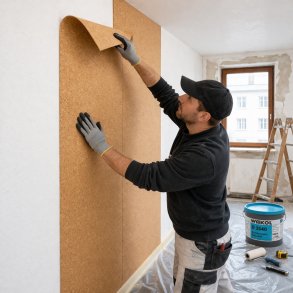
Proper surface preparation is essential when installing expanded cork insulation panels. Before applying any adhesive, check that the substrate is clean, completely dry, stable and free from dust, grease or loose material. An inadequately prepared surface can weaken the adhesive bond, potentially causing panels to lift, shift or develop visible gaps and cracks. These problems may affect the finished appearance and lead to unnecessary remedial work. Taking the time to prepare the installation surface thoroughly will help achieve a secure bond, an even finish and dependable insulation performance.
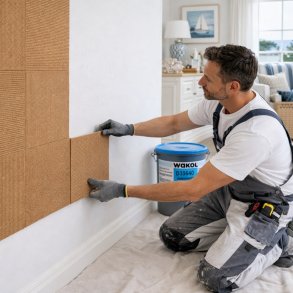
Fitting expanded cork boards is relatively straightforward and does not normally require specialist machinery. Basic equipment includes a measuring tape or straight edge, a sharp cutting knife, a suitable spatula or application roller, and a reliable cork adhesive such as Wakol D-3540. When installing cork insulation panels on ceilings, additional mechanical fixings, such as appropriate insulation dowels, are recommended alongside adhesive bonding to provide extra support and a secure, long-lasting installation.
As a general guide, approximately 100 g of adhesive may be required per expanded cork insulation board, depending on the panel dimensions and application method. On this basis, a 0.8 kg container can be sufficient for around 8 boards, while a larger 2.5 kg tub may cover approximately 25 boards.
The typical application rate for Wakol D-3540 is around 150–250 g/m², depending on the condition of the substrate and the application technique. Using an estimated consumption of 200 g/m², a 0.8 kg pack will cover approximately 4 m², while a 2.5 kg container should provide enough adhesive for roughly 12.5 m². Actual coverage may vary, so always allow for the specific requirements of your installation.
High-density expanded cork is designed to provide reliable insulation across an exceptionally broad temperature range, from -180°C to +120°C. Its thermal stability and ability to retain useful mechanical properties under demanding conditions make it suitable for a variety of specialist insulation applications. For projects involving extreme temperatures, the suitability of the specific cork board and installation system should always be checked against the manufacturer's technical specifications.
Comparing different insulation materials and wondering whether expanded cork is the right choice for your project? The answer lies in its impressive combination of benefits. Natural, sustainable and built to last, expanded cork provides effective protection against heat loss, unwanted noise and vibrations in one versatile material.
Choosing cork insulation means investing in more than just improved thermal and acoustic comfort. You are opting for a dependable, environmentally responsible solution designed to deliver lasting performance and peace of mind for many years to come.

Looking for an insulation solution that will keep your property comfortable and protected for decades, without the hassle of repeatedly upgrading conventional materials? Expanded cork insulation is well worth considering. Its naturally resilient structure and outstanding durability make it a reliable alternative to traditional insulating products such as polystyrene and synthetic foam.
Expanded cork boards help create a more comfortable indoor environment by reducing heat transfer, limiting temperature fluctuations and absorbing unwanted sound. Their insulating properties contribute to keeping buildings warmer during colder months and reducing excessive heat build-up in summer. Thanks to their increased density, high-density expanded cork anti-vibration panels are also particularly effective at dampening mechanical vibrations and reducing noise generated by heavy machinery, industrial installations and other vibrating equipment.
The environmental advantages of expanded cork begin long before the finished insulation boards reach your building. Much of the world's natural cork comes from Portugal, where harvesting cork oak bark is a centuries-old tradition carried out by skilled craftspeople. Using specialist hand tools, experienced harvesters carefully remove the outer bark without cutting down the tree. This remarkable process allows cork oak forests to remain productive for generations while supporting local communities and traditional craftsmanship. The bark naturally regenerates over approximately 9–12 years, allowing the same tree to be harvested repeatedly throughout its lifetime. During bark regeneration, cork oak trees continue absorbing atmospheric CO₂, helping support the carbon storage benefits associated with sustainably managed cork forests.
The sustainability story does not end with harvesting. Expanded cork is made from a renewable, plant-based raw material and is biodegradable under suitable conditions. Clean cork offcuts and suitable used cork products can also be collected and processed into new cork-based materials, helping reduce unnecessary waste. By choosing expanded cork insulation, you are supporting a more resource-efficient approach to construction and contributing to the principles of a circular economy.
Maintaining comfortable indoor temperatures can be expensive, particularly in factories, warehouses and other large industrial buildings. Installing expanded cork insulation boards helps reduce unwanted heat transfer and maintain a more consistent internal temperature throughout the year. When incorporated into a properly designed insulation system, this can lower heating and cooling requirements, potentially delivering significant savings on energy bills over time.
One of the greatest advantages of expanded cork is its ability to provide effective thermal insulation in both winter and summer. It helps retain valuable warmth when outdoor temperatures fall, while slowing the transfer of heat into buildings during warmer weather. This year-round performance can reduce reliance on central heating and air conditioning, improving energy efficiency and contributing to lower running costs and long-term financial benefits. Combined with its durability, expanded cork offers excellent potential value over the lifespan of a building.
High-density expanded cork insulation is valued for its impressive durability and ability to withstand demanding conditions. Its natural composition provides good resistance to ageing and certain forms of biological deterioration, while its robust structure helps maintain dimensional stability over extended periods. When correctly specified and installed, expanded cork boards can remain effective for several decades, with a potential service life of up to 50 years in suitable applications. Even after prolonged use, the material may retain many of its original insulating characteristics.
Although any insulation system may eventually require maintenance or replacement, expanded cork is designed to provide long-term stability and dependable performance. Its resilient cellular structure makes it an attractive alternative to certain conventional foam-based insulation products, particularly where durability and resistance to everyday mechanical stresses are important.
Another important advantage of high-density cork insulation is its combination of good compressive strength and natural moisture resistance. The presence of suberin, a naturally occurring substance within cork cells, helps limit water penetration and contributes to the material's resistance to moisture-related deterioration. Cork also has natural properties that can help discourage the development of certain microorganisms under suitable conditions. These characteristics make expanded cork a practical choice for thermal insulation and moisture-conscious building applications, provided that appropriate ventilation, waterproofing and installation requirements are followed.
| Format | Board |
| Colour | Dark brown |
| Length | 1000 mm |
| Width | 500 mm |
| Thickness | 20 mm |
| Material | Expanded cork (HD) |
| Installation | Glue |
D3540-0,8
In stock
£ 74.72
D3540-2,5
In stock
£ 99.72
D3540-5,0
- secure payment!
- cheap shipping!
- express delivery!
In stock
£ 130.09
041004005
- secure payment!
- cheap shipping!
- express delivery!
In stock
£ 99.72
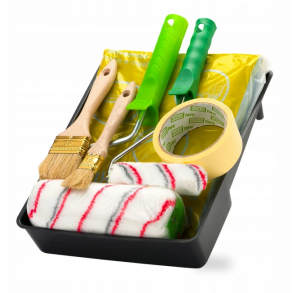
3083
- secure payment!
- cheap shipping!
- express delivery!
In stock
£ 65.94

ZPM
Delivery time: 1 week
£ 92.84
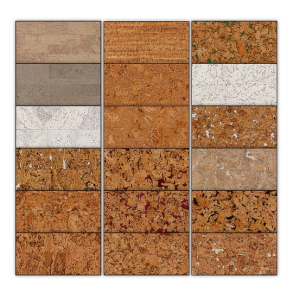
ZPD
Delivery time: 1 week
£ 107.43
Customers who bought this product also bought
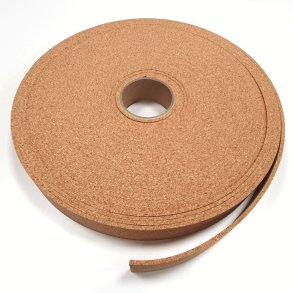
TK08-20
In stock
£ 62.56

EXP105001000
- secure payment!
- cheap shipping!
- express delivery!
In stock
£ 77.60

ROL-HQ-1000-00-1
In stock
£ 57.56
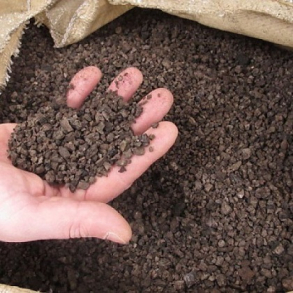
EGC310
In stock
£ 105.13
 Secure payments
 always free shipping
 Highest quality
 Satisfaction Guarantee