


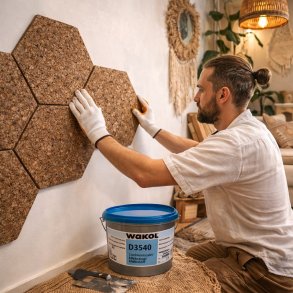
Cork contact adhesive Wakol D 3540 0,8kg
WakolD3540-0,8
- secure payment!
- cheap shipping!
- express delivery!
- cheap shipping!
- express delivery!
In stock
£ 74.72
Who said walls have to be straight, smooth and predictable? Sometimes, a little movement in the design can completely change how a building looks. That's what makes Wave L1 Expanded Cork Facade Panels so interesting. Their flowing, wave-like shapes create a three-dimensional surfac And there's a practical side to them, too!
Flowing 3D Design

Natural Insulation

100% Natural Cork

Year-Round Comfort

Long-Lasting Material

For Facades and Interiors
It's for you if:
As the name suggests, Wave L1 takes its inspiration from flowing, wave-like shapes. Rather than sharp, straight lines, the design has a softer, more fluid appearance.
The unusual texture is certainly a big part of Wave L1's appeal, but the material has several practical advantages too.
Wave L1 panels are fitted using adhesive, but the type you need depends on where the panels will be installed:
A precision wood saw is a good choice for cutting the panels to size. You can also use another suitable cutting tool with a toothed blade, provided it allows you to make precise cuts.
You might be surprised by how expanded cork is made. The process is somewhat similar to popping popcorn. Small cork granules are heated using high-temperature steam, causing them to expand and take on their characteristic dark brown colour. As they expand, the granules join together to form solid blocks.
And here's the interesting part: no synthetic glue is required. The heat activates natural substances already present in the cork, which act as a binder and hold the granules together.
Wave L1 panels have a density of approximately 140 kg/m³, with a tolerance of ±10 kg/m³.
Wave L1 panels have a thermal conductivity of λ = 0.043 W/(m·K).
Each Wave L1 panel measures 1000 × 500 mm, which means it covers 0.5m² of wall space. For example, covering 3m² requires 6 panels. Remember to account for any offcuts when calculating how many you'll need, particularly if you're working around windows, doors or uneven edges.
The panels have a thickness of 50 mm.
Wave L1 panels have a Euroclass E reaction to fire classification, meaning the material is combustible. However, its behaviour when exposed to high temperatures differs from that of some synthetic materials. Rather than melting and dripping, cork tends to char on the surface. The resulting layer can slow heat penetration into the material, although it doesn't stop the cork from burning. The fire safety requirements of the complete facade system must therefore be considered before installation.
The joints may still be noticeable, even with careful installation. Cork is a natural material, and slight changes in its dimensions can occur as temperature and humidity fluctuate. To keep the finish as even as possible, allow the panels to acclimatise properly and pay particular attention to their alignment during fitting.
Yes, they do. Before installing Wave L1 panels, leave them in the environment where they'll be fitted for at least 72 hours. This gives the natural cork time to adjust to the surrounding temperature and humidity.
Not every facade needs to be covered in flat panels or materials that try to look like wood or stone. Sometimes, the most interesting option is something completely different. Wave L1 Expanded Cork Facade Panels combine the natural texture of cork with a flowing, three-dimensional pattern. The result? A wall with its own character, without relying on artificial imitations or unnecessary decoration.

Straight lines and smooth surfaces have their place, but they aren't the only way to finish a building. What if your walls could have a more natural, flowing appearance? Wave L1 introduces a completely different kind of texture, with elongated curves that rise and fall across the surface.
The pattern has a gentle rhythm to it, almost as though the waves are moving vertically along the wall. It's a great option if you like architectural details that catch the eye without being too bold.
The waves might be what first draws your attention, but the cork underneath them is just as important. Expanded cork provides natural thermal insulation, helping to keep heat inside your home when it's cold and limiting unwanted heat entering through the walls during warmer months. It also has sound-insulating properties, which can help make indoor spaces quieter, particularly if there's a lot going on outside.
Of course, a facade needs to do more than look good on a sunny afternoon. It has to deal with changing temperatures and different weather conditions throughout the year. That's where expanded cork comes in handy.
There's no printed wood grain or imitation stone effect here. Wave L1 is made from real cork, with its own natural colour and texture. And the story behind the material is just as interesting as the finished panels. In Portugal, cork has been harvested for generations using traditional methods. Skilled workers carefully remove the outer bark of cork oak trees by hand, without having to cut the trees down.
What happens next is pretty remarkable. The tree gradually regenerates its bark, allowing it to be harvested again after several years. This means the same cork oak can provide material many times throughout its life. It's a process built around patience and working with nature rather than against it. And it's quite something to think that a simple layer of tree bark can eventually become a three-dimensional panel that transforms the appearance of an entire building.
| Model | Wave L1 |
| Format | Board |
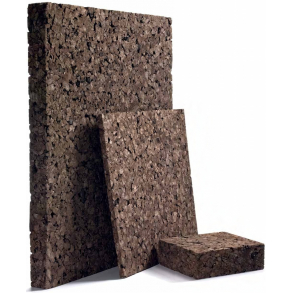
| Colour | Dark brown |
| Length | 1000 mm |
| Width | 500 mm |
| Thickness | 50 mm |
| Material | Expanded cork |
| Installation | Glue |
| Possibility of return | no return possible (custom made product) |
| Title | Type | Size | Download |
|---|---|---|---|
| Decorative-expanded-3D-facade-wall-natural-cork-insulation-panels-1.pdf | 4.69MB | Download |
D3540-0,8
In stock
£ 74.72
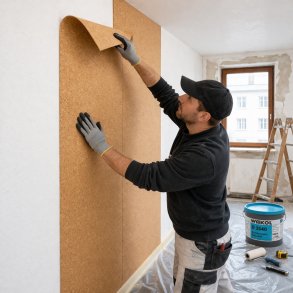
D3540-2,5
In stock
£ 99.72
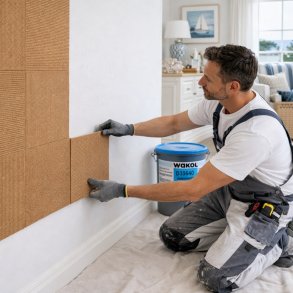
D3540-5,0
- secure payment!
- cheap shipping!
- express delivery!
In stock
£ 130.09
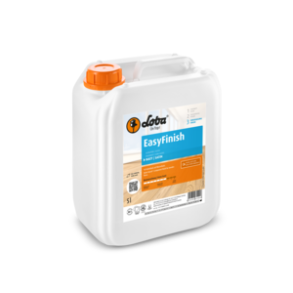
041004005
- secure payment!
- cheap shipping!
- express delivery!
In stock
£ 99.72
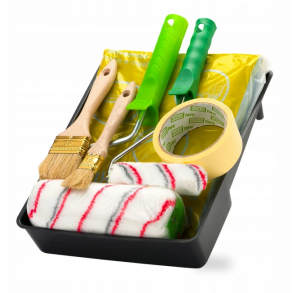
3083
- secure payment!
- cheap shipping!
- express delivery!
In stock
£ 65.94

ZPM
Delivery time: 1 week
£ 92.84
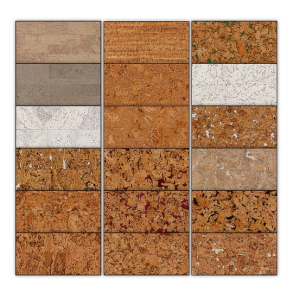
ZPD
Delivery time: 1 week
£ 107.43
Customers who bought this product also bought

KE-40CL1
- secure payment!
- cheap shipping!
- express delivery!
Not in stock
£ 122.46
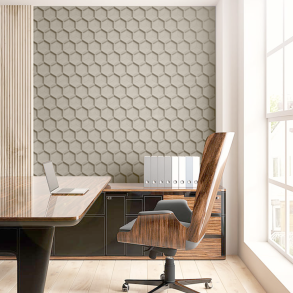
PK3DHCWH
In stock
£ 22.23 for 3 pcs.

PK3DCWLC
In stock
£ 27.67 for 3 pcs.
KE-50
In stock
£ 92.58
 Secure payments
 always free shipping
 Highest quality
 Satisfaction Guarantee