


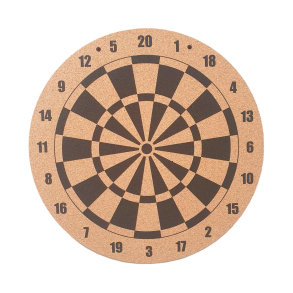
100% Cork Dartboard 300mm
Cork MinistryKTD300
- secure payment!
- cheap shipping!
- express delivery!
- cheap shipping!
- express delivery!
In stock
£ 66.31
Are you a parent who wants your children to play with something safer than plastic? Or perhaps you’re fed up with noisy toys that never give you a moment’s peace and end up knocking into the furniture? There’s a better way to do it – calmer, quieter, and without plastic. Eco-friendly toys for children, especially those made from natural cork like cork building blocks, tick all these boxes. Kids have great fun, play with a safe, natural material, and you can finally enjoy a bit of well-earned peace.

Safe For Children

Lightweight

Natural & Plastic-Free

Warm And Pleasant To The Touch

More Peace And Quiet

Creative Play
It’s a set of 20 building blocks for children, made from natural cork. They’re lightweight (each block weighs significantly less than a wooden equivalent) and are easy to grip. The set includes a variety of shapes and colours.
These blocks are for you if:
When might it not be the best choice?
If you’re not sure whether it’s the right choice for your child or your home environment – drop us a message. We’ll honestly advise whether it makes sense in your case.
Compared to other materials, cork clearly comes out on top – especially when it comes to children.
Plastic
Wood
Cork
Yes. Cork is lightweight, soft and slightly springy, making it safe for children. It has no sharp edges or hard, hazardous elements.
What’s more, it’s a natural material — harvested from tree bark without cutting the trees down. It’s ethically produced, vegan, antibacterial and hypoallergenic. By choosing it, you reduce your child’s exposure to plastic and opt for a healthier, more natural way to play every day.
Simply wipe the blocks with a damp cloth and leave them to dry. Bear in mind that cork is not suitable for machine washing.
Plastic toys are everywhere. Repetitive, all the same – the result? Quick boredom and frustration. In today’s world, there’s already far too much plastic around us. Natural cork blocks are a safe alternative.

Plastic toys are cold, hard and often overloaded with stimuli – they play sounds, light up, make noise. You know the pattern: a child plays with them for a moment, then throws the toy aside, starts to fuss or looks for something “more stimulating”.
Cork works in a completely different way. It’s warm, slightly soft and pleasant to the touch, so it doesn’t overwhelm the senses from the very first moment. The child calms down and focuses on play – building, arranging, experimenting. No noise, overstimulation, or quick frustration.
Plastic toys can generate quite a bit of noise – especially on hard flooring. It makes it difficult to relax, focus, or have a proper conversation, because something is constantly falling and banging.
Cork blocks absorb sound, so even if a tower collapses several times in a row, it doesn’t turn into a racket. You can calmly settle a younger child to sleep, work, or simply unwind. Your child keeps playing, and you finally get a bit of peace and quiet.
Instead of yet another plastic set from the supermarket, your child gets something that feels warm and pleasant to the touch, rather than cold, slippery plastic. It matters that a child’s first toys are simple, calming and closer to nature. They support the development of imagination and allow a child to explore the world in a safe, natural way.
Interestingly, cork comes from tree bark that is harvested without cutting the tree down – the tree continues to grow healthily, and the bark regenerates. It’s not a single-use material like plastic, but something that fits a more conscious approach to what you bring into your home. This means it’s not just another short-lived item that quickly needs replacing. It shows your child something important – that not everything has to be swapped for something new, but can last longer and hold real value.
In nurseries, children play for many hours each day, often in groups. That means more noise, accidental knocks, and a higher risk of minor injuries with harder materials. There’s also another important factor – parents are increasingly paying attention to what their children play with in nursery settings.
Cork blocks are lightweight, quiet and safe, making them ideal for everyday play. At the same time, they’re a natural material that supports a more mindful approach to a child’s education and development.
KTD300
In stock
£ 66.31

6891-PFM602
In stock
£ 86.21
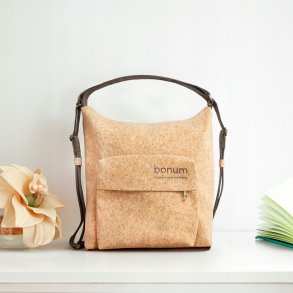
GAD-FS-3939-17-1
In stock
£ 82.32
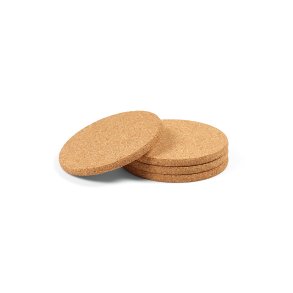
ACT001-160
In stock
£ 58.37
 Secure payments
 always free shipping
 Highest quality
 Satisfaction Guarantee